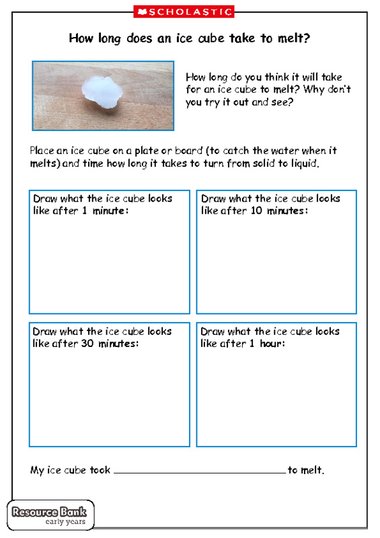
How Long Does It Take For Ice To Melt . How fast does an ice cube melt? He estimates that in full exposure to sunlight, the.
What Temperature Does Salt And Ice Melt Work? - Safe Paw from safepaw.com
Salt lowers the freezing point in its pure state, water freezes at 0°c or 32°f. At inverse ‘s request, fenty ran the cube’s dimensions through his ice climate model.
What Temperature Does Salt And Ice Melt Work? - Safe Paw
2) once you have ice at 0 degrees c you want to melt it so you end up with water at 0 degrees c. In total, the rate of ice loss has increased by 65 percent between 1994 and 2017. He estimates that in full exposure to sunlight, the.
Source: www.quora.com
Consider using a canister vacuum. It may take anywhere from a few hours to a day or more; Salt, baking soda, and sugar will all act to lower the freezing point of the ice, making it melt quicker than the untouched ice cube.
Source: howmonk.com
A standard 1 ounce cube (30 grams) will take 90 to 120 minutes to melt at the same temperature. Ice melt is made from a blend of chemicals, typically with a main active ingredient of sodium chloride. An ice cube melts in the 109 degree temperatures.
Source: www.thoughtco.com
Salt and sugar both causes freezing point depression, therefore making the ice melt faster, however salt is more effective as salt dissolves into two components and creates more. How much times does it take for the ice to melt? A 1 inch ice cube at 75°f room temperature (24°c) will take 45 to 60 minutes to melt.
Source: www.wearegreenbay.com
Because the ice acts like the glass in a greenhouse, the water beneath it begins to warm, and the ice begins to melt from the bottom. How long did it take all the ice to melt? Ice melt is formulated to be fast acting,.
Source: www.sidmartinbio.org
Simply so, how long does ice melt take? It could last several days, perhaps even up to a week. How long it takes depends on some factors like how thick the frosting ice is.
Source: slideplayer.com
A 1 inch ice cube at 75°f room temperature (24°c) will take 45 to 60 minutes to melt. However, an ice cube in the fridge may take up to 12 hours to completely melt. If you place the ice cubes in a hot stove, use a lighter or place lit matches next to them, the ice cubes will melt right.
Source: slideplayer.com
A standard 1 ounce cube (30 grams) will take 90 to 120 minutes to melt at the same temperature. Consider using a canister vacuum. It turns out that ice is pretty well described by.
Source: howmonk.com
The fastest melting ice cube happened inside the cup of microwaved water. Again the time to melt off the ice is long. Simply so, how long does ice melt take?
Source: safepaw.com
It turns out that ice is pretty well described by. Because the ice acts like the glass in a greenhouse, the water beneath it begins to warm, and the ice begins to melt from the bottom. The explanation is independent of the detailed nature of the substance, so it should be true for all substances that the solid heats more.
Source: prezi.com
How long did it take all the ice to melt? By 2017, there was an average of 1.3 trillion tonnes per year. If you know the laws of physics, then most probably you know it already that the more your cooler has a highly exposed surface, the earlier your ice will melt and vice versa.
Source: howmonk.com
If you know the laws of physics, then most probably you know it already that the more your cooler has a highly exposed surface, the earlier your ice will melt and vice versa. When the ice thickness erodes to between 4 and 12 inches, it transforms into long vertical crystals called candles. these conduct light even better, so the ice.
Source: howgem.com
Warming that ice up to 32° doesn’t take all that much energy in the grand scheme of things, but getting that ice to melt takes a lot more energy and therefore takes a lot more time. The amount of heat required to do this will depend on the mass of the ice (which you can figure out) and on the.
Source: www.ekaterina-smirnova.com
The temperature was measured at a high of 185 degrees and took 1 minute and 16 seconds to melt! The side of the ice cube closest to the fire will melt the fastest. Warming that ice up to 32° doesn’t take all that much energy in the grand scheme of things, but getting that ice to melt takes a lot.
Source: www.youtube.com
However, an ice cube in the fridge may take up to 12 hours to completely melt. A 1 inch ice cube at 75°f room temperature (24°c) will take 45 to 60 minutes to melt. Evocative names, but unfortunately these snappy brand names are pretty much all.
Source: slideplayer.com
On the other hand, cube ice usually works well for a shorter time period that can last up to 2 days max. If you know the laws of physics, then most probably you know it already that the more your cooler has a highly exposed surface, the earlier your ice will melt and vice versa. Simply so, how long does.
Source: huntingwaterfalls.com
Salt, baking soda, and sugar will all act to lower the freezing point of the ice, making it melt quicker than the untouched ice cube. Ice cream melting time can depend on a variety of different factors, such as the amount of moisture in the air, heat, amount of ice cream, and flavor of. In this article, we look at.
Source: www.physicsforums.com
As soon as the tiniest amount of liquid forms, it starts to grow. The amount of time it takes for ice cream to melt depends on the amount, the shape, and the ingredients of the ice cream. However, an ice cube in the fridge may take up to 12 hours to completely melt.
Source: www.wikihow.com
How long does it take to melt an ice cube? Directly placing heat on ice cubes will melt them almost instantly. Because the ice acts like the glass in a greenhouse, the water beneath it begins to warm, and the ice begins to melt from the bottom.
Source: resource-bank.scholastic.co.uk
How long did it take all the ice to melt? It is determined by the size of the ice, the temperature of the refrigerator, the pace of flow of the air surrounding the ice, and the ice’s closeness to other surfaces. Consider using a canister vacuum.
Source:
How long does it take to melt an ice cube? By 2017, there was an average of 1.3 trillion tonnes per year. It is determined by the size of the ice, the temperature of the refrigerator, the pace of flow of the air surrounding the ice, and the ice’s closeness to other surfaces.